Bandra West, Mumbai
Deep Vein Thrombosis (DVT) – Symptoms, Causes and Treatment
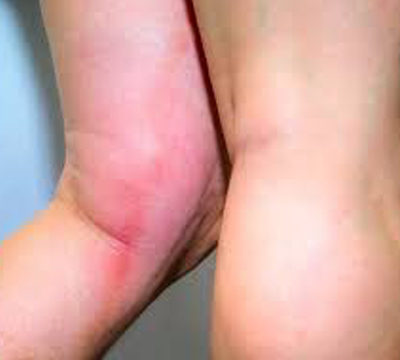
Deep vein thrombosis (DVT) is a blood clot in a deep vein, usually in the leg or pelvis. It causes swelling, pain and warmth, and can be dangerous if part of the clot travels to the lungs (pulmonary embolism). It is diagnosed with a Doppler ultrasound and treated with blood thinners; selected patients benefit from catheter-directed clot removal by an interventional radiologist.
Emergency warning
Seek emergency care immediately for sudden breathlessness, chest pain, coughing blood, fainting or a racing heart – these can be signs of a clot in the lungs.
Symptoms of DVT
- Swelling of one leg (sometimes the whole leg)
- Pain or tenderness in the calf or thigh, often worse on walking
- Warmth and redness or bluish discolouration
- Visible surface veins over the swollen leg
Some DVTs cause few symptoms. Any unexplained one-sided leg swelling should be checked promptly.
Risk factors
- Recent surgery, injury or hospital stay
- Long periods of immobility – long flights, bed rest
- Pregnancy, the weeks after delivery, hormone tablets
- Cancer and its treatment
- Previous DVT or a family history of clots
- Compression of the pelvic vein – May-Thurner syndrome
Diagnosis
A colour Doppler ultrasound is the standard first test. Blood tests and, in some cases, CT or venography are used to assess extent and the lungs.
Treatment at VIR Clinic
- Anticoagulation (blood thinners) – the foundation of treatment for almost all patients
- Catheter-directed / pharmacomechanical thrombolysis – for selected large clots in the thigh or pelvis, to remove clot and reduce long-term damage – read more
- Venoplasty and stenting – when a narrowed pelvic vein caused the clot
- IVC filter – in selected patients who cannot take blood thinners – read more
- Compression and follow-up – to reduce post-thrombotic leg swelling
Post-thrombotic syndrome
Months after a DVT, some patients develop long-term swelling, heaviness and skin changes because the clot damaged the vein valves. Early, appropriate treatment and follow-up help reduce this risk.
Frequently asked questions
A suspected DVT should be assessed urgently, the same day. Breathlessness or chest pain with a leg clot is a medical emergency – go to the nearest emergency department.
Varicose veins are enlarged surface veins with leaky valves. DVT is a clot in a deep vein and needs prompt treatment.
Yes. Most DVT is treated with blood thinners. Selected patients have catheter-based, minimally invasive clot removal – not open surgery.
Usually at least three months; the exact duration depends on the cause and your risk factors, as decided by your treating doctor.
VIR Clinic assesses and treats DVT, with consultations at Bandra West. Call +91 99301 19960.
Related pages
Varicose Veins – Symptoms, Causes and TreatmentVein Center in Mumbai – Diagnosis to Treatment Under One RoofVascular Clinic in Mumbai – VIR ClinicVaricose Veins Treatment – Options Compared
General health information from VIR Clinic – not a substitute for a medical consultation. Suitability for treatment is decided after examination and ultrasound.
SI
Dr. Shivraj M. IngoleF.R.C.R. (London)
Meet your specialist
Dr. Shivraj M. Ingole
Consultant Endovascular Surgeon, Interventional & Neuro Radiologist
M.B.B.S.M.D.D.N.B.M.N.A.M.S.F.R.C.R. (London)
- Treats disease from inside the blood vessels through a pin-hole, guided by ultrasound and X-ray imaging.
- Scans and plans every case personally before recommending treatment.
- Experienced across vein, artery, neuro-interventional and cancer procedures.
Visit us
VIR Clinic location
Our clinic
Link Corner Mall, Off Linking Road, Behind KFC
Bandra (West), Mumbai – 400050
VIR Clinic – Bandra West
SMC Medical Center, Near Starbucks Coffee ShopLink Corner Mall, Off Linking Road, Behind KFC
Bandra (West), Mumbai – 400050
Ready to get your legs checked?
Book a consultation with Doppler ultrasound at our clinic in Bandra West, Mumbai.